Today at the preschool I work at, the kids had a costume day where they were supposed to dress up like “community helpers” like police, doctors, firefighters or garbage collectors like that sort of thing
Anyways the way Tumblr treats the Perks Of Being A Wallflower like it’s cringe and bad just because of the hipster craze over it in 2012 and ignoring the fact that it’s one of the few books/movies that shows the ugly side of teen mental illness and discusses sexual trauma in young boys (something only portrayed in shows like SVU) is in fact, bullshit, and I’ll never forgive y’all for taking the line “we accept the love we think we deserve” (a reference to toxic abusive relationships) and turning it into cringe culture. This is a book about a struggling depressed kid who I saw myself in as a teen, and yeah he and his friends could be annoying and pretentious but are you going to say you weren’t as a kid?
im just a huge sucker for charismatic villains becoming sort of pseudo good guys and hanging out with the main characters just because a bigger, more serious threat emerges and i dont think it happens enough tbh. especially when they’re still kind of a dick, i just think its a fun trope
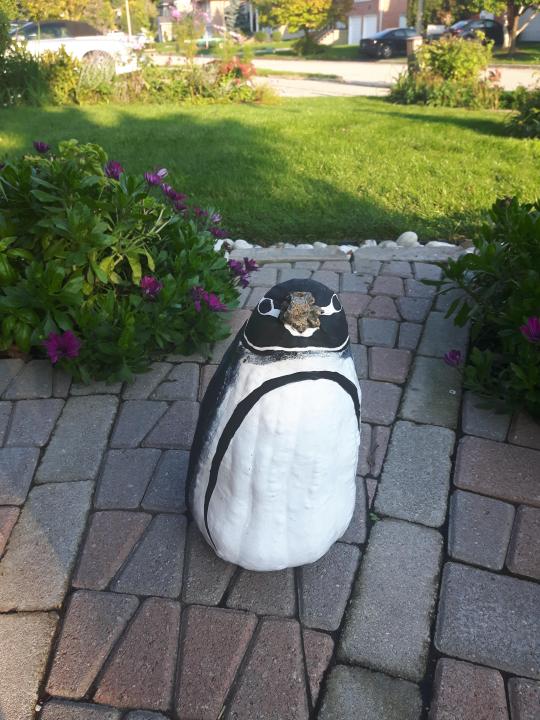
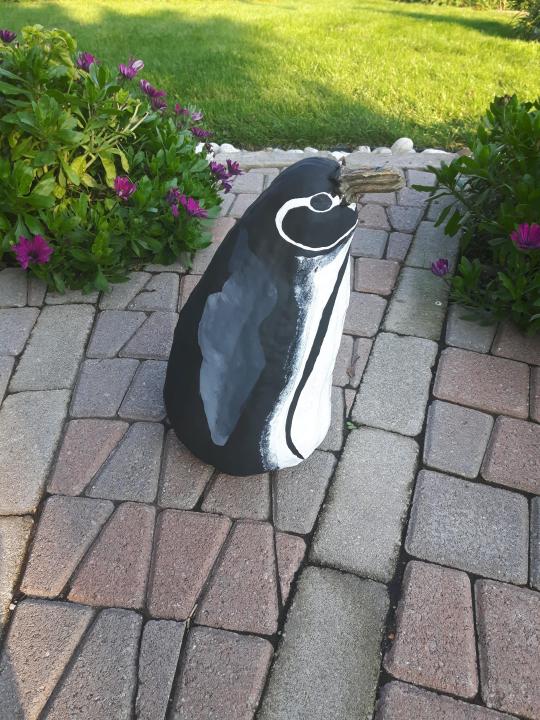
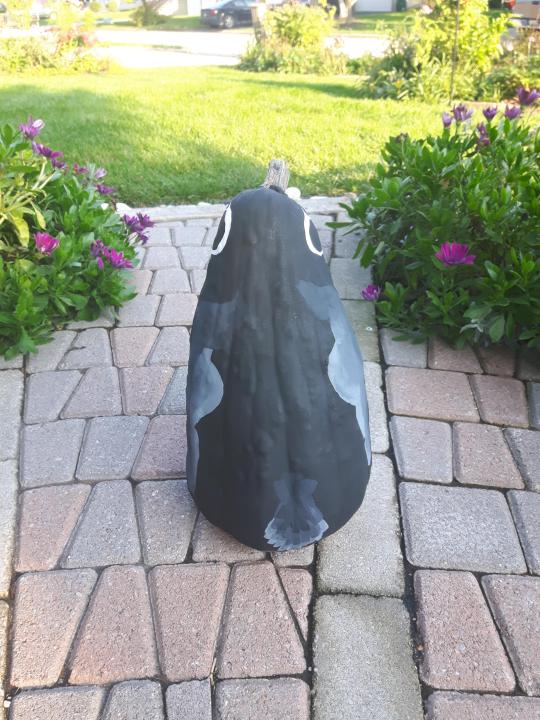
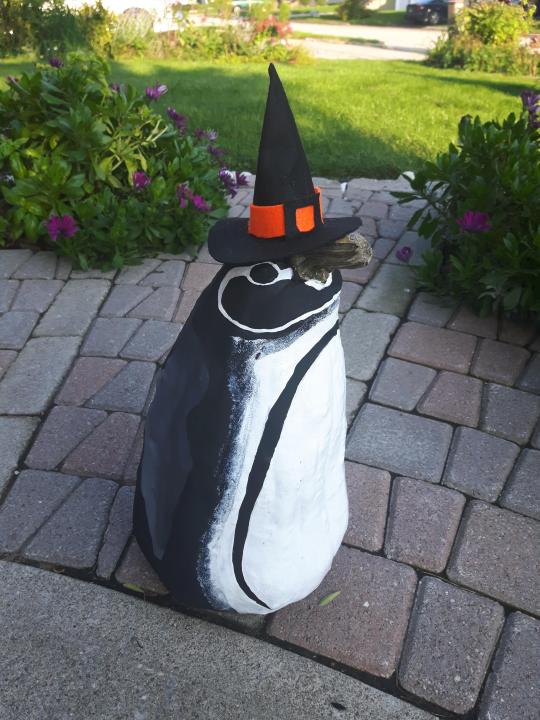
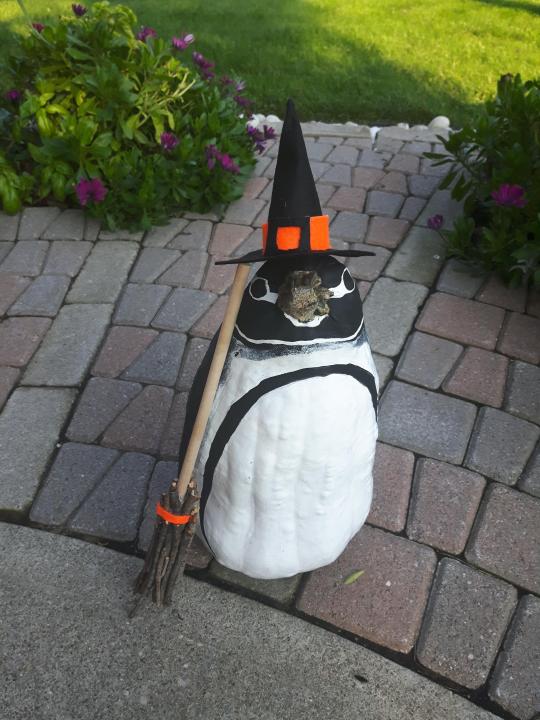
“I visited the
pumpkin patch yesterday and decided to bring home a pumpkin that in
shape appeared to be a penguin. Friends and family were mystified until I
started painting him.“
I have a mute character in the story I’m writing and one of my beta readers suggested I use italics when they sign so that I don’t have to keep peppering “they signed” or “their hands flashed” throughout the piece.
But like…I always read italics in a different tone like they’re thoughts. It seems quieter than using normal quotations which makes what they say look less significant on the page than other character’s dialogue.
I really don’t think my audience needs me to use completely different punctuation around a mute character. There’s no need to act like they’re speaking a different language since their muteness isn’t a focal point in the story.
So really this reader’s comment has done the complete opposite of what they intended. Now I’m actively taking out as many of my “hands flashed” notations as possible and just writing in normal body language because, clearly, the other characters understand them and my audience doesn’t need to be coddled.
As an HOH reader and writer I can affirm that once the signing has been established it can just be treated like “said”.
You can add little things for emphasis though, like how fast or flippant a sign is given, also a lot of our “punctuation” is in facial expressions, so wild looks is kind of normal. Also messing up signs and just.. pushing them aside. Like, you mess up a fingerspell and just take both hands and shove the air in front of you to your side, people who sign eventually end up doing this for other things, like a “forget it” motion. It’s like a “wave it off” gesture.
Body language for someone who signs is a lot more animated than someone who speaks, as we use our upper body a lot in our conversations, so the act of “signing” is more than just hand signals.
Yes….yes GOOD this is the good stuff right here. I’m going to incorporate some of these ASAP ESPECIALLY the pushing the air but to clear it of your mistakes






 bullshit central